Published
Outcome
A testable product direction
Category
Product
Product
MVP Design: 10 Steps to Build a Successful MVP in 2026
Written by
Ella S.


MVP design is the disciplined process of turning a product hypothesis into the smallest usable experience that can be tested with real people. In 2026, a successful minimum viable product is not a stripped-down version of a big idea. It is a focused digital product that solves one high-value problem, proves demand, and gives founders reliable evidence before they invest in full-scale development.
What Is MVP Design?
MVP design combines product strategy, user experience design, UI design, prototyping, and validation. The goal is to define the minimum feature set that lets target users complete a meaningful job, then measure whether they return, engage, convert, or ask for more. Great MVPs feel intentional: the user journey is clear, the interface removes friction, and every feature supports a testable business assumption.
10 Steps to Build a Successful MVP in 2026
1. Start with a specific problem, not a feature list
Begin MVP product design by writing a concise problem statement: who has the problem, when it happens, what they do today, and why the current solution fails. Avoid starting with screens or a backlog. A precise problem gives your MVP design process a decision filter: if a feature does not help users solve that problem, it does not belong in version one.
2. Define your target user and core job to be done
Successful MVPs are designed for a sharply defined early adopter, not everyone. Use lightweight user research, interviews, support logs, competitor reviews, and behavioural data to identify the user’s context, motivation, and desired outcome. Frame the opportunity as a job to be done: when a specific situation occurs, the user wants to make progress with less time, risk, effort, or uncertainty.
3. Formulate a measurable MVP hypothesis
Turn the product idea into a testable statement: if we help this audience achieve this outcome through this focused experience, they will take this observable action. Define success metrics before design begins. Depending on the product, useful MVP metrics include activation rate, task completion, qualified sign-ups, retention, conversion, repeated use, and interview-based willingness to pay.
4. Map the minimum viable user journey
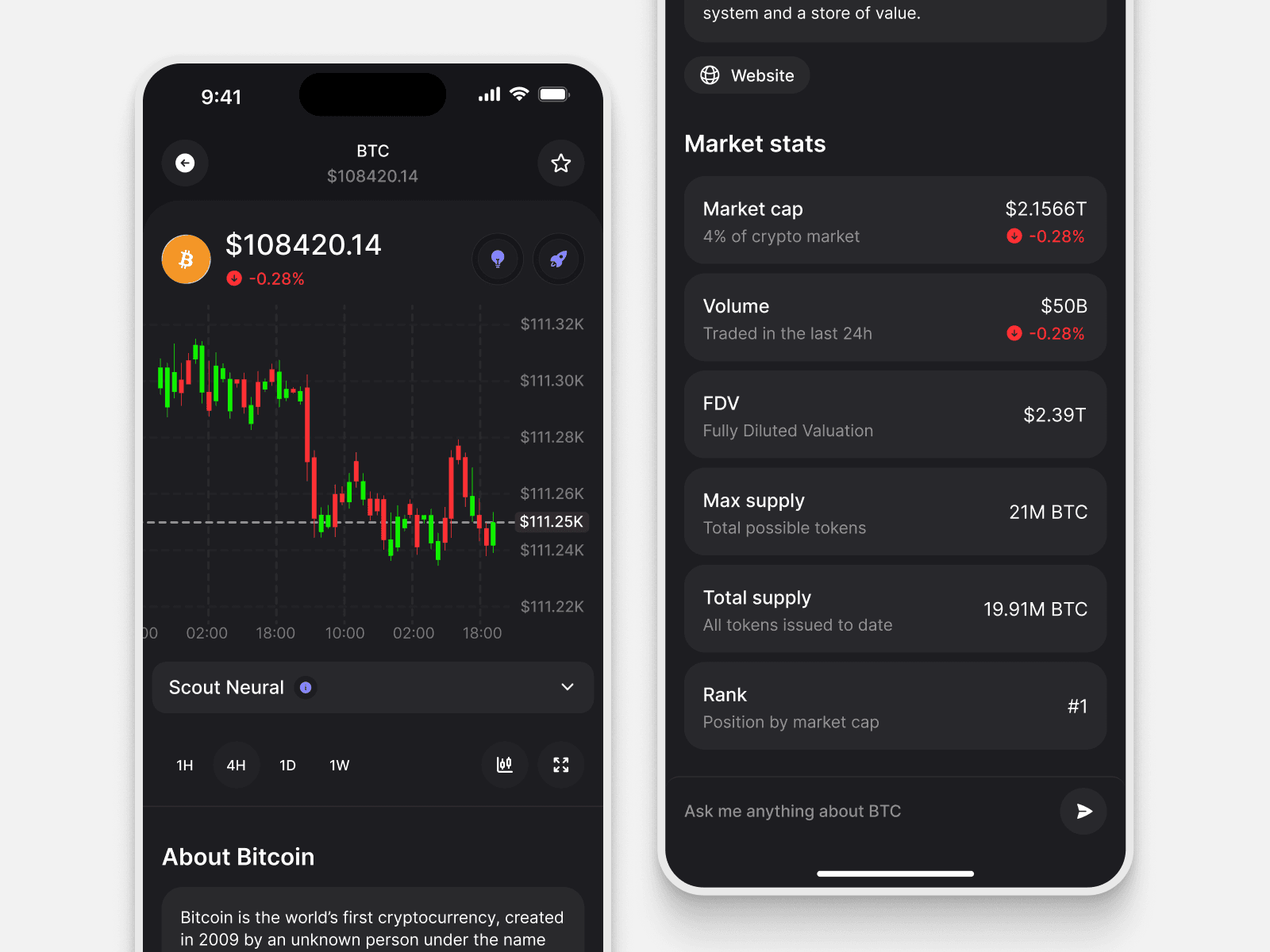
Map the shortest path from first touch to user value. For a marketplace, that could be discovery, selection, trust, and booking. For a SaaS MVP, it may be onboarding, setup, first outcome, and return. This MVP UX design step exposes unnecessary branches and makes the core flow visible to founders, designers, and developers before production effort begins.
5. Prioritize features by learning value
Prioritize MVP features by the assumptions they validate and the value they unlock for the user. Keep only the capabilities required for the core journey, trust, and measurement. Separate must-haves from nice-to-haves, automation from manual operations, and launch requirements from post-validation enhancements. A smaller MVP is faster to learn from and easier to improve.
“The goal of an MVP is not to launch everything at once. It is to learn what users truly value—and to build the next version with evidence, not assumptions.”
6. Create a clear MVP UX and UI system
Minimal does not mean careless. Your MVP UI design should establish hierarchy, accessible contrast, readable type, familiar interaction patterns, responsive states, and consistent components. Reduce cognitive load at every key moment. When users understand what to do next without instruction, your MVP has a better chance of producing trustworthy validation data rather than confusion-driven drop-off.
7. Prototype before you build
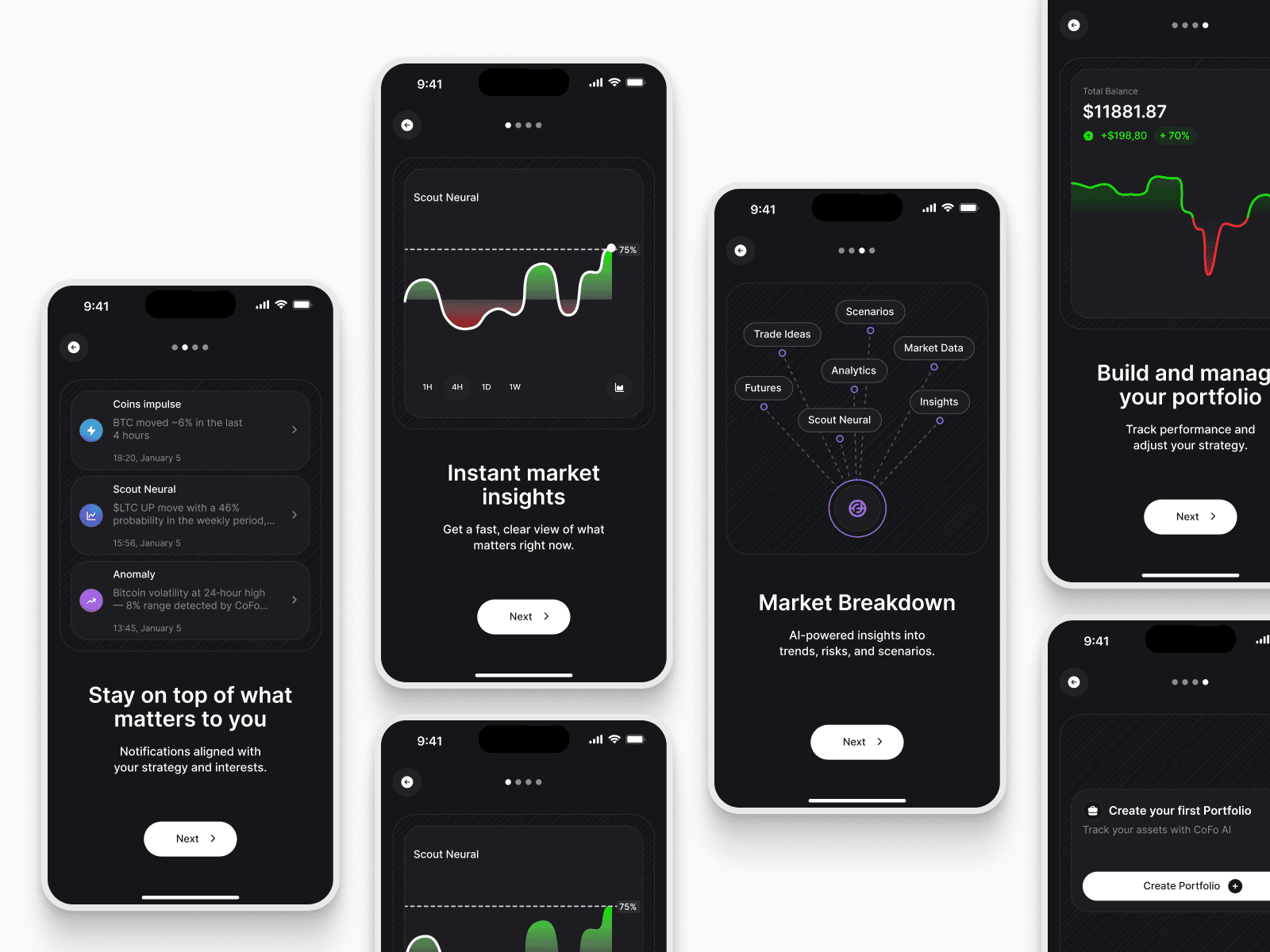
An interactive MVP prototype is the fastest way to test information architecture, user flows, and messaging. Use low-fidelity wireframes to explore options, then a clickable high-fidelity prototype to simulate the core experience. Prototype testing reveals where users hesitate, misunderstand labels, or fail to see the value proposition—issues that are far cheaper to fix before development.
8. Test usability with real target users
Run moderated usability tests with people who match your intended audience. Give them realistic tasks, observe behaviour, and ask open questions after completion. Look for patterns, not personal preferences: repeated friction in onboarding, unclear pricing, missing trust signals, or a mismatch between what users expect and what the MVP delivers. Translate the findings into a ranked design and product backlog.
9. Build, instrument, and launch a focused MVP
Build the smallest reliable release, then instrument the key events that prove or disprove your hypothesis. Track the moment users reach first value, where they abandon a flow, and whether they return. A controlled MVP launch to a relevant audience is more valuable than a broad launch with no learning plan. Pair analytics with customer conversations to understand the why behind the numbers.
10. Iterate toward product-market fit
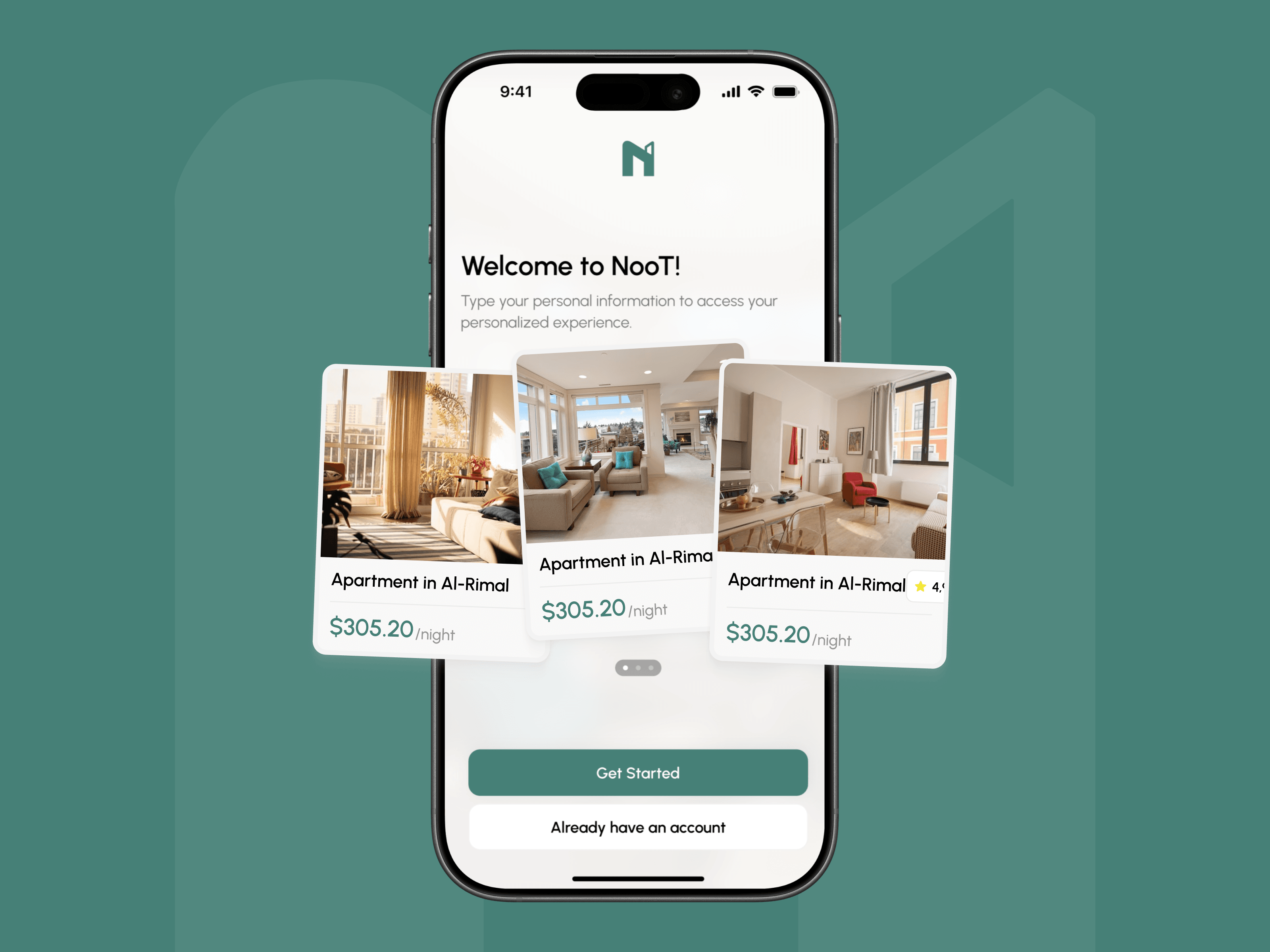
An MVP launch is the start of product discovery, not the finish line. Review quantitative metrics alongside qualitative feedback, identify the strongest signal, and make the next iteration deliberately. Double down on the job users value most, remove features that create noise, and test the next highest-risk assumption. This continuous loop—design, test, learn, improve—is how MVPs evolve into products with product-market fit.
MVP Design Checklist for Founders
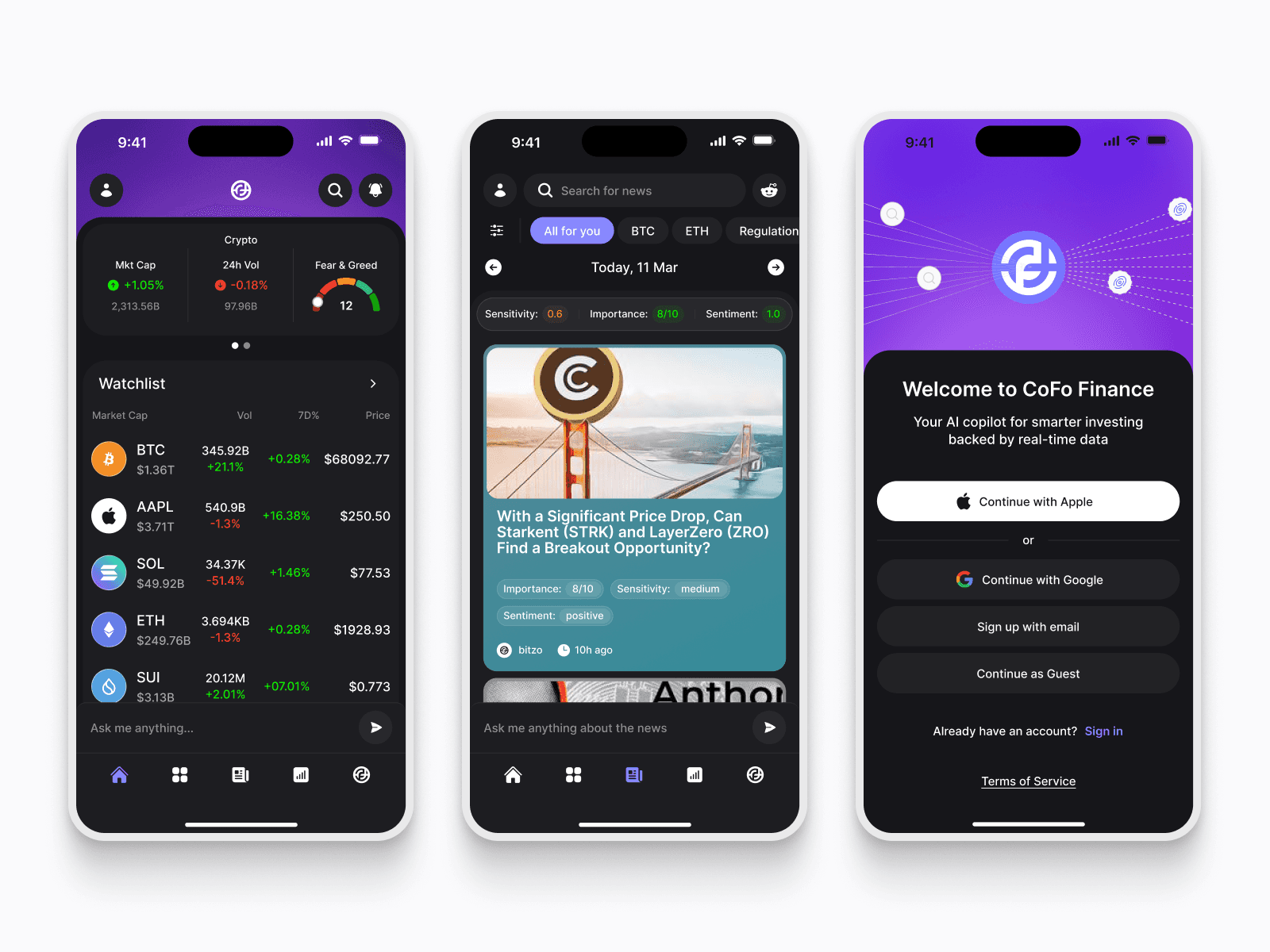
✓ One clearly defined user problem and early-adopter audience.
✓ A measurable hypothesis and success metrics before launch.
✓ A focused core flow with only essential MVP features.
✓ Usability-tested UX/UI, analytics instrumentation, and an iteration plan.
Build Less, Learn Faster, Design with Purpose
The best MVP design is not the one with the most features. It is the one that makes a sharp promise, delivers a meaningful first outcome, and generates the evidence needed to make the next product decision. If you are planning an MVP in 2026, start with a validated problem, design the smallest experience that solves it well, and let real user behaviour guide what you build next.
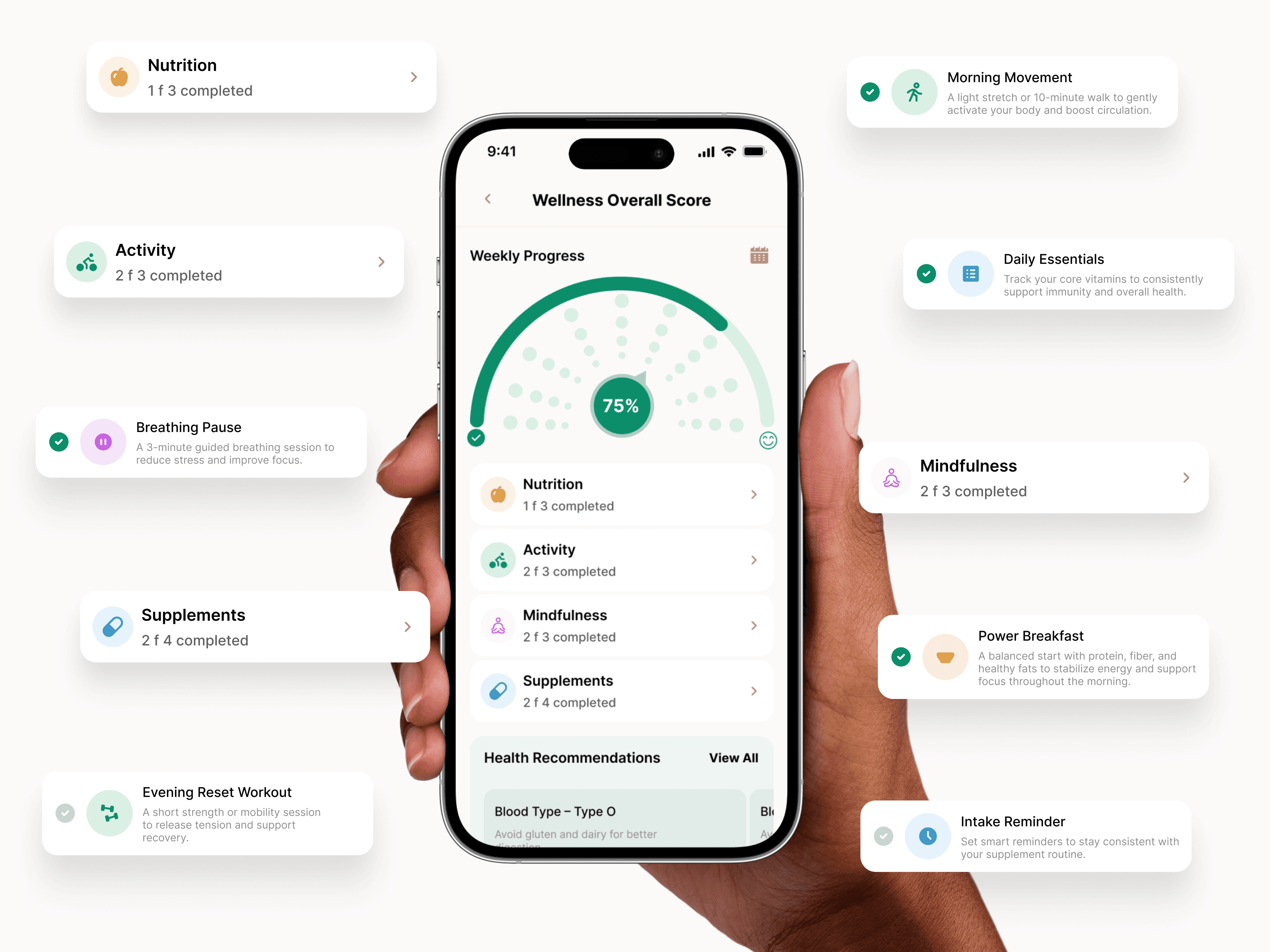
Need Help Defining Your MVP?
If you need a clear product breakdown and are unsure where to start or which features belong in your MVP, book a free intro call with The Ash Design. We’ll help you turn an early idea into a focused, testable product direction. See how we run this as a full engagement on our SaaS and MVP product design page.